How Often Should Beginners Run? A Simple Guide for New Kitsap Runners
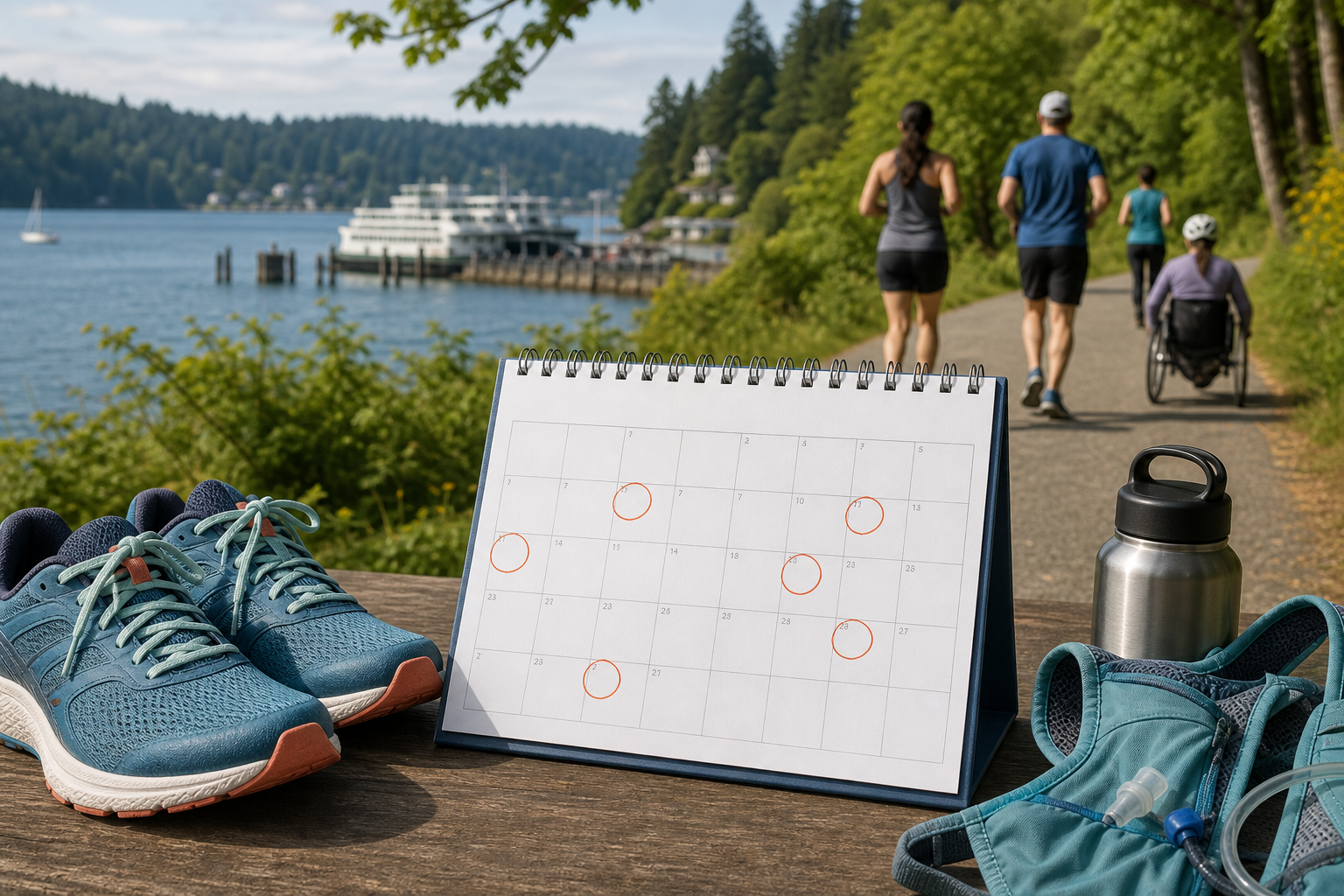
How often should beginners run? For most new runners, two to three days per week is the sweet spot, with rest days or easy walking days in between so your body can adapt without feeling overwhelmed.
The Short Answer: Start With Two or Three Runs Per Week
If you are new to running, coming back after time away, or building toward your first 5K, begin with two or three short run-walk sessions each week. That gives you enough consistency to improve while leaving room for recovery.
A good first goal is not speed. It is showing up regularly, finishing feeling like you could do a little more, and staying healthy enough to come back for the next run.
Why Beginners Should Not Run Every Day
Running is simple, but it is still impact exercise. Your heart and lungs may adapt faster than your feet, calves, knees, hips, and tendons. Rest days help your body absorb the training and lower the chance that a small ache turns into a forced break.
That does not mean you have to sit still. On non-running days, you can walk around your neighborhood, do light mobility, ride a bike, stretch gently, or add short strength work. The CDC physical activity guidance for adults recommends weekly aerobic activity plus muscle-strengthening activity, which fits well with a beginner run-walk routine.
A Simple Beginner Running Schedule
Use this as a starting point and adjust based on your current fitness, schedule, sleep, soreness, and stress level.
- Brand-new beginner: Run-walk two days per week, with two or three walking days.
- Active beginner: Run-walk three days per week, with rest or walking between runs.
- Returning runner: Start with three easy days per week, but keep the first two weeks relaxed.
A sample week could be Tuesday, Thursday, and Saturday for run-walk sessions. Monday, Wednesday, and Friday can be rest, walking, or light strength. Sunday can stay flexible for family time, an easy walk, or a short local outing.
How Long Should Each Beginner Run Be?
Start with 20 to 30 minutes total, including walking. For example, alternate one minute of easy running with two minutes of walking, then repeat until your time is up. If that feels too hard, shorten the running parts. If it feels easy for a few weeks, gradually make the running parts longer.
The NHS Couch to 5K running plan for beginners uses three sessions per week and alternates walking with running, which is a helpful model for new runners who like structure.
Where to Start Running in Kitsap County
Choose routes that are familiar, comfortable, and easy to shorten if needed. Flat or gently rolling paths are especially helpful when you are learning how running should feel.
For scenic, beginner-friendly ideas, browse waterfront running routes in Kitsap County for easy-paced outings or explore quiet Kitsap trail options for relaxed beginner runs. Start simple before adding hills, technical trails, or longer distances.
How to Know You Are Running at the Right Effort
Most beginner runs should feel conversational. You should be able to speak in short sentences without gasping. If you are sprinting every run, you are making recovery harder and progress less steady.
The Mayo Clinic 5K training schedule for beginners also uses gradual walk-run progression, which is a useful reminder that easy effort is not a shortcut. It is the foundation.
When to Add Another Running Day
Add a third or fourth day only after your current routine feels comfortable for several weeks. A good sign is that you finish most runs feeling steady, your normal soreness fades within a day or two, and you are not dreading the next session.
When you add a day, keep it short and easy. Do not add more days, more distance, and more speed at the same time. One change at a time is plenty.
Community Runs Can Help Beginners Stay Consistent
Many new runners do better with a friendly routine. Kitsap has welcoming local options where pace is not the whole point. Consider the Fort Ward parkrun on Bainbridge Island for a low-pressure weekly 5K, the Manette 5K Club community run in Bremerton, or the Wednesday group runs with Poulsbo Running for local support.
If you are nervous, walk part of the route, introduce yourself to a volunteer or group leader, and keep the day easy. Showing up counts.
Frequently Asked Questions
Add to chatHow often should a beginner run each week?
Most beginners should run two or three days per week, with at least one rest or easy walking day between runs. Start with run-walk intervals and add time gradually.
Should beginners run every day?
No. Daily running is usually too much for new runners because muscles, tendons, and joints need recovery time. Use non-running days for walking, mobility, or gentle strength work.
Is running two days a week enough for beginners?
Yes. Two days a week is enough to build consistency, especially if you are returning after a long break. After a few comfortable weeks, you can add a third short run.
How long should a beginner run at first?
Begin with 20 to 30 minutes total, alternating short running segments with walking. Keep the effort conversational and stop early if pain changes your stride.
Build the Habit First
The best beginner running schedule is the one you can repeat. Start with two or three days per week, keep the effort easy, walk when needed, and give yourself time to grow into the routine. Around Kitsap County, there are plenty of friendly paths, parks, clubs, and community runs ready when you are.